1. Make the area safe
Before any work, the area is marked off so no one steps into it by mistake.
Jonesboro, IN · Grant County
Do not pick it up. If you see a needle, lancet or syringe in Jonesboro, call (877) 812-4220 and let a cleanup team handle the sharps removal, sealed containers and disposal.
If anyone is in danger, call 911 first. For a suicide crisis, call or text 988.
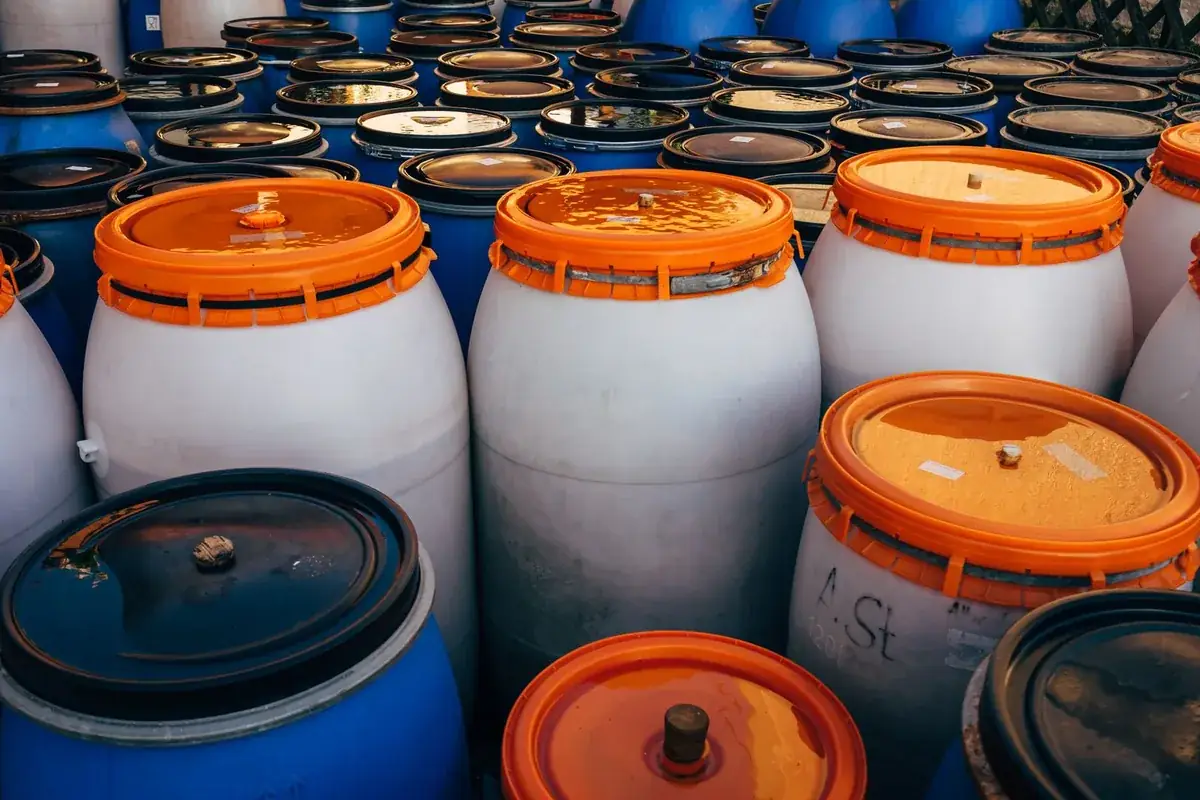
A sharps sweep is a careful search of a home, yard, vehicle or building for discarded needles, followed by removal and disposal. One needle often means others are nearby, so the whole area is checked.
You will not be judged when you call Jonesboro Biohazard Cleanup Help about needles in Jonesboro or Grant County. Crews focus on making the property safe and on disposing of sharps properly, following the rules for regulated medical waste.
Most homes in Jonesboro are owner occupied, with renters at about 21% of households, so many needle calls come from families clearing a home or yard. If anyone is stuck by a needle, the nearest emergency room is Marion General Hospital in Marion, about 8 miles from Jonesboro. Call 911 in an emergency.
What needle & sharps cleanup covers:
Before any work, the area is marked off so no one steps into it by mistake.
Crews put on protective gear and search the whole area, including corners, drawers and under furniture.
Each needle is picked up with a tool and dropped into a rigid, puncture-resistant container, then sealed.
The area is cleaned, searched a second time and handed back to the owner.
The cost of needle & sharps cleanup in Jonesboro, IN depends on the amount of material, how it is packed and how it is hauled.
Whether surfaces need disinfecting changes the scope. Sharps lying on carpet, bedding or furniture can add cleaning or removal of soft materials.
| Type of job | Typical range |
|---|
Published ranges only (); every needle & sharps cleanup job in Jonesboro is priced after an on-site look. Price drivers include number of items, where they are found, whether a sweep of a large area is needed, waste disposal. Questions? Call (877) 812-4220.
Safer options exist. Many cities and health departments have programs for found needles and may give instructions or send someone. If you are unsure, do not touch it. Leaving a needle in place and keeping others away is safer than risking a stick.
A used needle can carry bloodborne pathogens such as hepatitis B, hepatitis C and HIV. The chance of infection from one stick depends on many things, and a doctor can explain what applies. Get medical care promptly after any stick or cut.
Yes. Dogs and cats may sniff, chew or step on sharps. Keep pets away from the area until a cleanup team has searched it. If a pet is stuck or swallowed something, call a veterinarian right away.
No. This page explains how needle and sharps cleanup works. It is not medical, legal or insurance advice. For exposure or symptoms, contact a doctor or Poison Control, and for local programs ask the health department.
No. Recapping or bending a used needle is one of the most common ways people get stuck. Leave it where it is and let a cleanup team lift it with a tool and place it in a container.
They can be tucked into couch cushions, mattress seams, drawers, vents and ceiling tiles. That is why a sharps sweep covers more than the floor. Crews check hidden spots with tools and light before declaring a room clear.
Describe what you saw and where, and the team will explain the next step.
Call (877) 812-4220